 Rebecca McClelland
A portrait can look polished and still feel unconvincing. The trouble often starts when the couple tries to make one frame answer every outside question about age, culture, money, intent, and whether the marriage is “real”. Better photographs usually do the opposite. For legitimate mail order brides and American husbands, the strongest images tend to show the pace of an actual household: how they stand near each other, how they handle family opinions, what they wear without being coached into a costume, and whether the moment feels lived in rather than defended.
Choosing Portrait Styles That Feel Natural
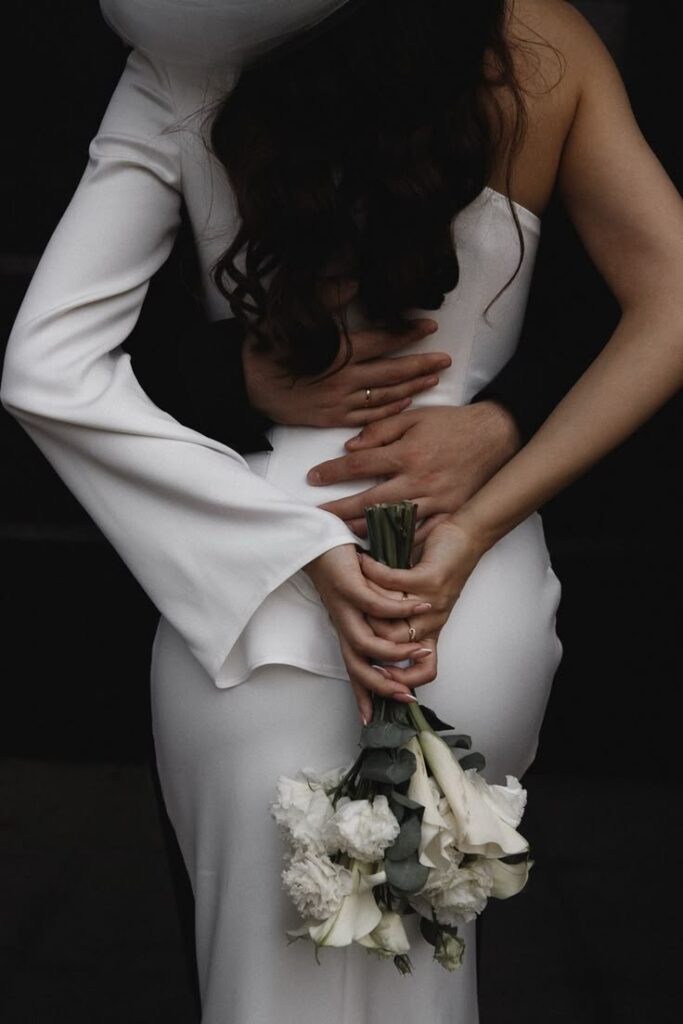
The best portrait style is usually already hiding in the couple’s weekday life. If she likes pressed dresses, neat hair, and a defined lipstick, while he is most comfortable in denim, work boots, and a clean button-down, the goal is not to make one person disappear into the other’s style. A good frame can hold both without turning either into a prop.
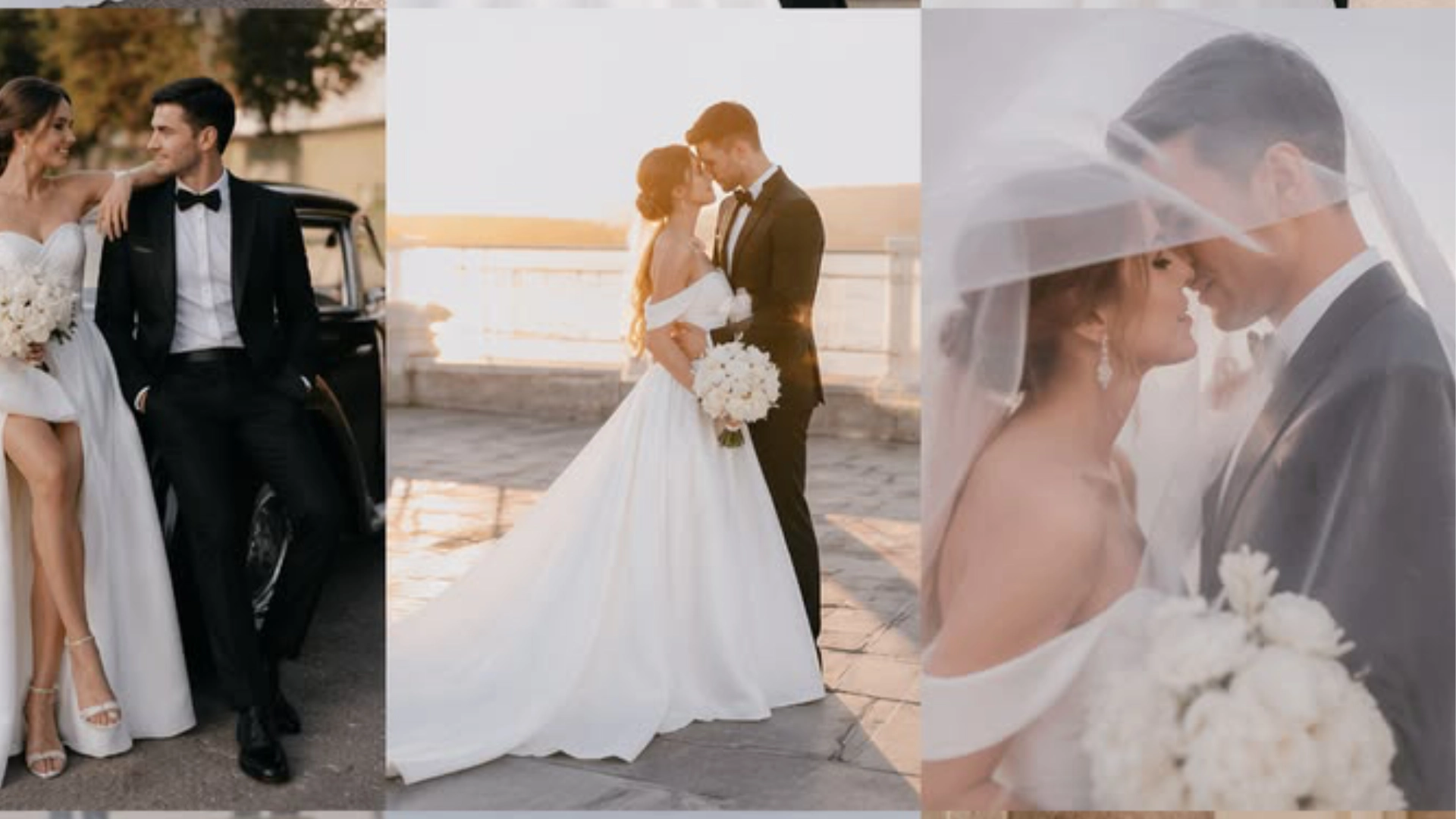
Begin with the amount of formality that would feel normal after the camera is put away. Some couples suit a courthouse-style portrait: blazer, small bouquet, simple wall, hands lightly joined. Others look more at ease in a kitchen doorway, on the front steps, outside a familiar grocery store, or at the dining table with two cups still in view. Crossing borders does not automatically require a grand hotel lobby or a dramatic skyline.
Clothing color does more work than people expect. Cream, navy, olive, soft gray, warm brown, and muted blue usually photograph cleanly without announcing a theme. Fully matching outfits can look tidy, but they can also feel oddly childish. Coordinated texture is often more convincing: linen beside knitwear, a wool coat beside a plain blouse, polished shoes beside clean casual sneakers. The image should look planned, not packaged.
How Culture Shapes Couple Portraits?
Portrait manners are learned long before anyone books a photographer. In one family, a formal photograph signals respect for parents and elders. In another, a broad smile and casual clothes say warmth and honesty. A woman from a place where wedding portraits are carefully arranged may read a backyard snapshot as unfinished; her American husband may read the same picture as relaxed and true.
Neither response needs to be treated as a problem. What helps is deciding where the photo will go before deciding how it should look. A frame sent to her parents may call for a different tone than one posted online or hung near the living room sofa. Relatives far away often study what Americans might overlook: whether the shirt is ironed, whether the home looks settled, whether the couple stands with ease, whether the husband appears attentive rather than merely present.
Small gestures can travel badly across cultures if no one talks about them first. A hand at the waist, linked arms, seated shoulders touching, or a little space between bodies may each suggest something different depending on family habits and religious norms. The answer is not to erase affection. It is to choose gestures both spouses can live with when the photo is seen by parents, old neighbors, friends, and possibly children years later.
Poses That Build Trust on Camera
Camera comfort rarely comes from being told to “act natural.” That instruction leaves people stranded, especially couples who have not taken many portraits together. More useful posing gives each person a simple job: where to put a hand, how to turn a shoulder, where to rest their eyes, when to move and when to pause.
Movement usually helps before stillness. Walking toward the camera, sitting together on porch steps, adjusting a cuff, carrying one grocery bag between them, or standing near a window can loosen the body. The mail order bride American husband label can already sound stiff and transactional; the photograph should not add to that impression. The frame needs to show two adults choosing the moment together.
- Stand at a slight angle instead of squarely facing the lens.
- Keep hands visible, relaxed, and doing something believable.
- Use seated poses if height difference makes standing portraits awkward.
- Take a few frames looking at each other, then a few looking at the camera.
- Allow short breaks, especially if one partner feels watched or corrected.
A calm photographer will catch the things that change the whole image: clenched fingers, a raised shoulder, a smile held past comfort, a husband leaning too far forward, a wife pulling her hands into her lap. Those details are small only until the final gallery arrives.
Avoiding Staged Mail Order Bride Stereotypes
Careful with any image that makes one spouse look displayed. Certain poses repeat old and unhelpful ideas: the woman seated low while the man stands over her, the husband holding paperwork, the bride styled as exotic decoration, or a composition that highlights an age gap without showing tenderness, humor, or daily context. Even when the couple means no harm, the picture can say something they would never say out loud.
A stronger frame gives both adults equal visual weight. That does not require identical posture or matching expressions. It means each person appears to have a say in the setting, the clothing, and the mood. Let her choose part of the location. Let him move out of the stiff “provider” stance and into something more ordinary: pouring tea, helping with a coat, checking the time before a family call, or laughing at a small interruption.
The background can quietly remove cliché. A clean living room, a market street they actually visit, a courthouse garden, a church hallway after service, or the table used for video calls with relatives will usually say more than a generic suite or rented staircase. National flags, traditional clothing, souvenirs, and heirloom jewelry can be meaningful, but only when they belong to the couple’s life. Used as shorthand, they flatten the photograph.
What American Husbands Often Overlook?
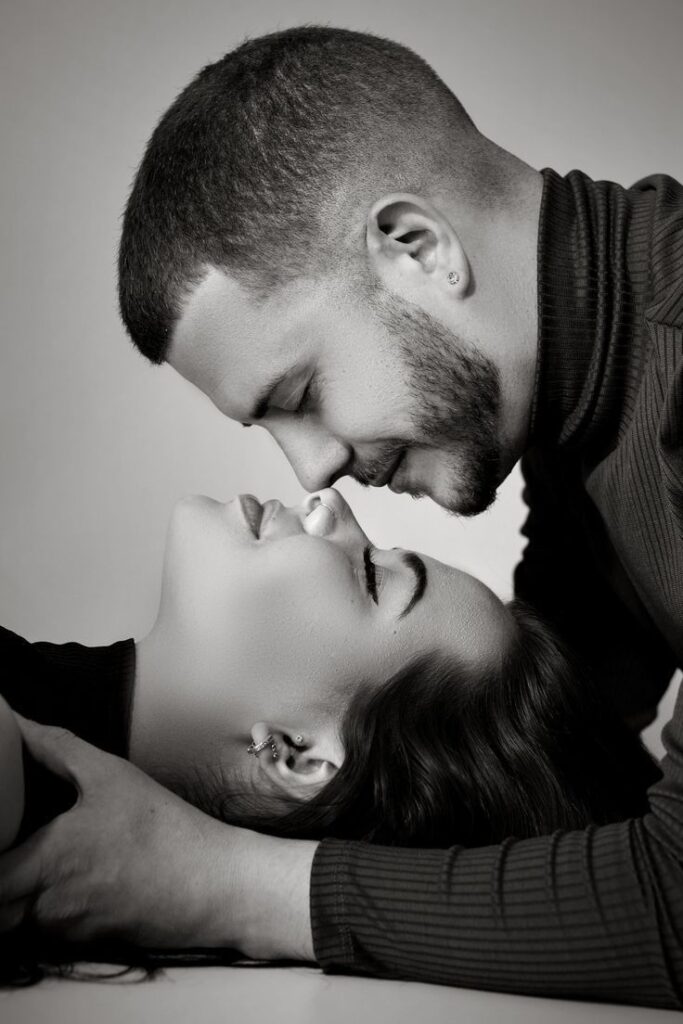
The missed detail is often not the camera at all. It is the amount of preparation the portrait represents. He may see the appointment as a quick errand before lunch. She may see it as the first official image sent to parents, siblings, former coworkers, and relatives who followed the paperwork and now want to see whether she looks settled.
Timing changes faces. A session squeezed in after a long shift, before dinner, or between weekend chores can make both people look tired before the first frame. Hair appointments, ironing, weather, parking, traffic, child care, and the hour of sunset all have a way of landing on the same afternoon. If she is new to the area, she may not yet know which salon can work with her hair texture, where alterations are done well, or how long it takes to cross town at 5 p.m.
Money can sit in the background too. Portraits may come after travel, filings, translations, wedding clothes, a small ceremony, gifts for relatives, and another round of documents. Couples sorting through the budget may find it useful to see the wider picture around costs involved in finding a mail order bride, because the photo session is only one visible expense in a much larger move from courtship to household.
A simple fix is to treat the portrait like a small family event. Put it on the calendar, check outfits two days ahead, leave time to eat, confirm transportation, and do not save the argument about money or immigration forms for the car ride there.
Creating Warmth in International Marriage Photos
Warmth does not have to mean constant smiling. It can show in the way he holds her coat while she changes shoes, how she straightens his collar, how two cups sit close on the counter, or how both of them glance down when a child or pet wanders into the frame. These modest cues make the marriage look like a household, not a headline.
Light carries a lot of the feeling. Morning window light often gives a room a gentle, domestic look. Late afternoon outdoors can soften brick, sidewalks, trees, and city backgrounds. Noon sun is harder, especially if one spouse is squinting while the other is not. With different skin tones, harsh shadows can be especially unkind; the photographer should expose carefully so both faces keep detail.
Temperature is not a minor detail. A winter portrait loses romance quickly if she is visibly cold, no matter how elegant the coat looks. A summer session in a dark suit can turn impatient and sweaty after ten minutes. Comfort changes posture, and posture changes the photograph. Bring water, a wrap, walking shoes between locations, blotting paper or a small mirror. These are not fussy extras. They keep the final images from looking like everyone wanted to leave.
When Formal Portraits Feel Too Distant?
Contrast can solve what formality cannot. The suit-and-dress portrait may satisfy relatives and official announcements, while the quieter frame on a bench or at a café may feel closer to the couple’s actual rhythm. Formal images are not the enemy. Emotional distance is. If every picture resembles a business arrangement, viewers start looking for the missing softness.
Build a short sequence instead of forcing one photograph to do every job. Start with the formal pose while the clothes are crisp. Then remove the jacket, sit down, shift the hands, or walk to a less polished corner of the same place. A courthouse wall might provide the picture for parents. The bench outside might become the print on the refrigerator.
Useful portrait pairings
- Formal standing portrait plus a seated coffee-shop frame.
- Courthouse steps plus a walk through the nearby neighborhood.
- Traditional clothing plus everyday clothes in the same color family.
- Direct camera portrait plus a candid frame preparing dinner.
Some couples do not want much public affection on camera, and that can still photograph well. Shoulder to shoulder under an umbrella, walking close enough that hands almost touch, or sitting with knees angled toward each other can suggest closeness without asking either spouse to perform intimacy for strangers.
Using Home Settings for Real Intimacy
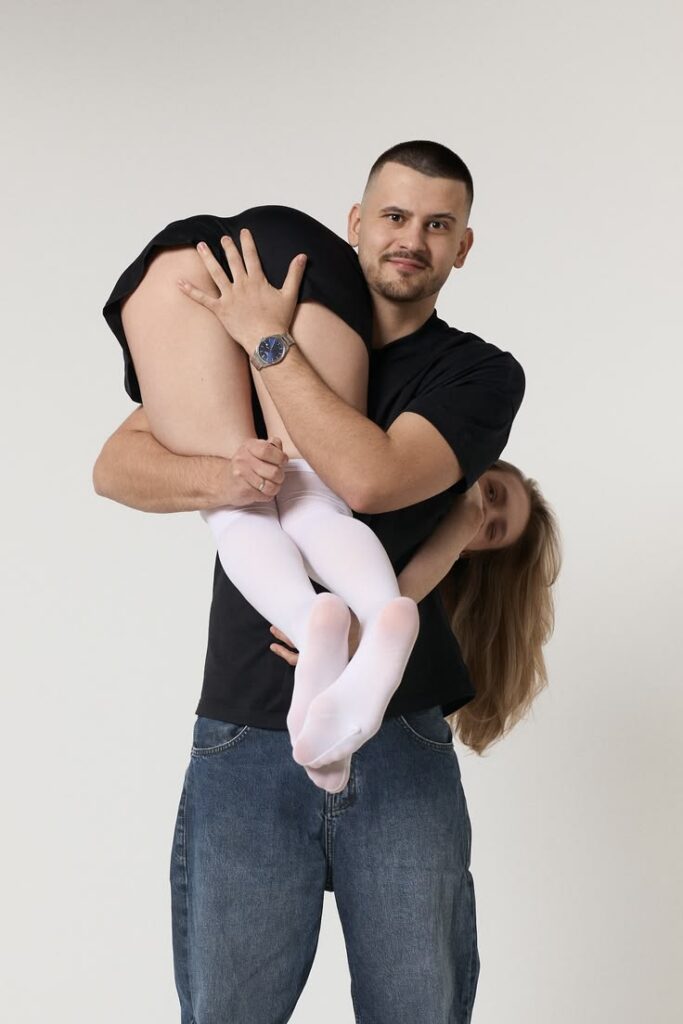
The refrigerator calendar says more than a studio backdrop ever will. So do the shoes by the door, the rice cooker, the coffee machine, the stack of mail, the child’s school folder, and the half-written grocery list. These are not glamorous objects, but they show how two people share space. Edit them; do not erase them completely.
Before a home session, clean the places where light falls and leave a few signs of daily routine. A spotless room can look rented for the hour. A cluttered one can pull attention away from faces. The middle ground usually works best: fresh towels in the kitchen, cords tucked away, curtains open, pillows straightened, a cleared table with two useful objects still on it.
Home settings can also help when one partner feels self-conscious in public. Cooking, folding laundry, watering plants, feeding a pet, or setting out tea gives the hands something to do. It lets the photographer catch nearness without demanding constant eye contact. Sometimes the stronger frame is one person reading a recipe while the other reaches for a plate.
For couples dealing with legal or social misunderstandings around cross-border marriage, home images can quietly challenge the idea that everything is only about paperwork. Still, language matters, especially around crude questions about whether someone can “buy” a spouse. A grounded place to start is this discussion of whether it is legal to buy a wife, which separates the myth from lawful marriage processes.
How Legitimate Mail Order Brides Show Confidence?
A concrete sign of confidence is often small. She chooses the dress she can sit in comfortably. She corrects the pronunciation of her name. She knows which side of her face she prefers in photographs. She asks for one frame her mother can receive without needing a long explanation. Legitimate mail order brides do not need to be styled as rescued, grateful, mysterious, or ornamental to look feminine and sincere.
Confidence also appears when the husband does not manage the whole session. He can help with rides, timing, translation, and payment without answering every question for her. He can suggest a location, then make room for her taste as well: a modest neckline, bright lipstick, a traditional necklace, a favorite color, or no visible cultural marker at all.
There is a visible difference between guidance and control. If he keeps adjusting her pose, correcting her smile, or explaining what she “really means,” the camera often catches the discomfort. If they make choices together, the portrait steadies. The aim is not to prove a perfect marriage. It is to show two adults building a shared home with enough respect to be seen plainly.
Portrait planning works best as a short conversation before the day becomes crowded. Choose one formal setting, one everyday setting, and one image intended for family far away. Confirm clothing, timing, weather, transportation, and budget ahead of time. Then let the photographs show ordinary evidence: shared space, mutual attention, and a life that looks possible on a weekday, not only inside a posed frame.